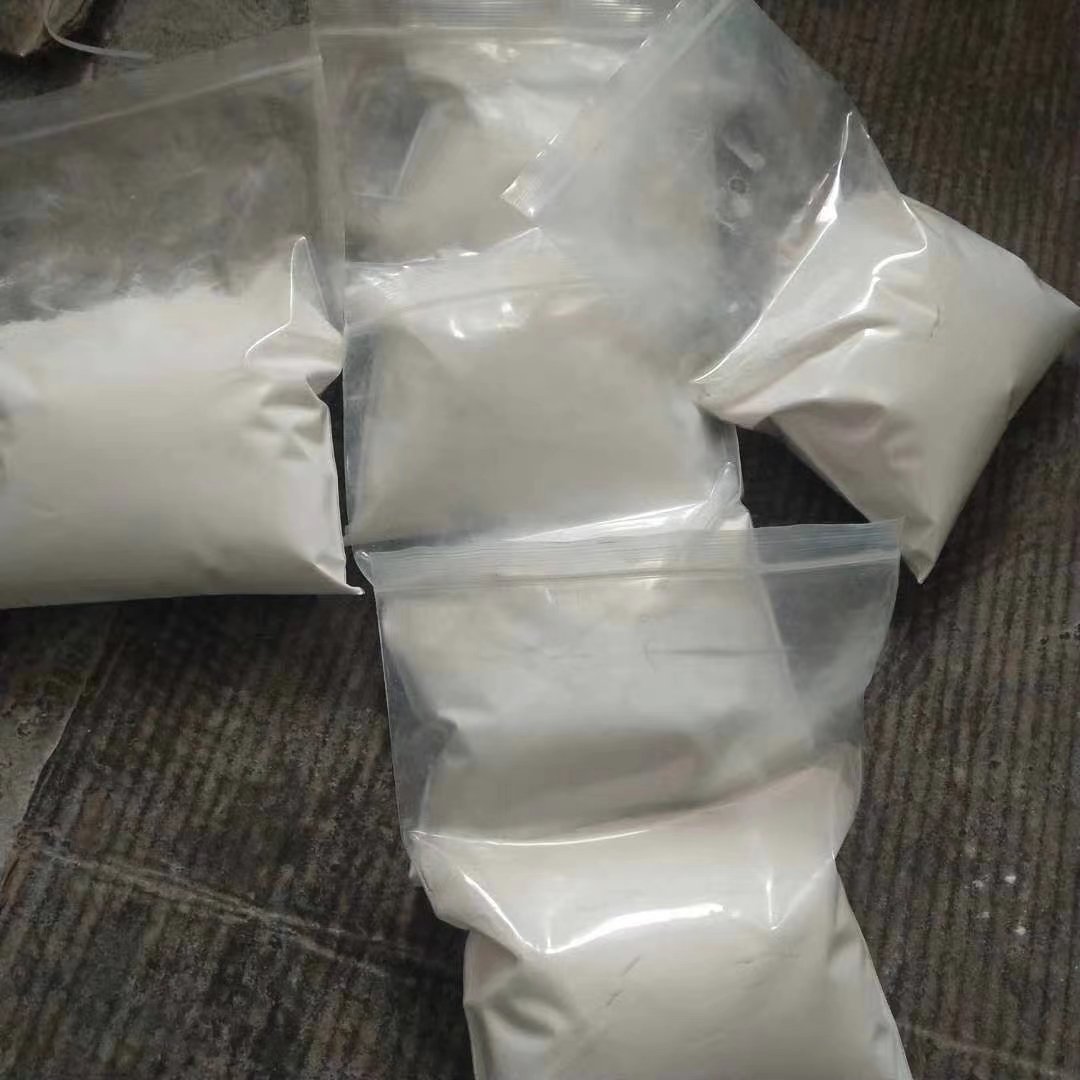
What to Know About O-PCE
Before you buy O-PCE Powder, you should know this. In the arylcyclohexylamine class, O-PCE (2-Oxo-PCE) is a strong dissociative anesthetic that is closely linked to methoxetamine (MXE) and ketamine. As an NMDA receptor antagonist, O-PCE causes dissociative effects and altered states of consciousness by blocking excitatory neurotransmission in the brain. O-PCE is a common research drug used to investigate dissociation, anesthesia, and neurochemical regulation.
High-purity O-PCE made especially for pharmacological and neuroscience research is available at Chemsupplyz, giving researchers a potent instrument to investigate behavioral dissociation, anesthetic effects, and NMDA receptor function.
O-PCE Chemical Data
2-Oxo-PCE (O-PCE) is the chemical name.
C15H21NO is the molecular formula.
Weight in molecules: 231.33 g/mol
Form: Pellets or powder
>98% purity
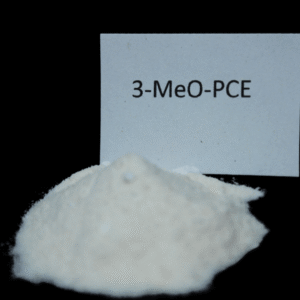
Look: White to off-white crystalline pellets or powder
O-PCE Research Applications
The effects of O-PCE as a dissociative anesthetic are mostly studied in neurochemical and psychopharmacological research. O-PCE reduces excitatory neurotransmission by inhibiting NMDA receptors, resulting in anesthetic and dissociative effects that are perfect for studying neurotransmission, neuroprotection, and altered states of consciousness. With an emphasis on O-PCE’s propensity to alter perception, pain response, and neurological function, researchers utilize it to examine the parallels and differences between it and ketamine and MXE.
Important study topics include:
- NMDA Receptor Antagonism: O-PCE inhibits NMDA receptors, which lowers brain excitatory transmission and causes dissociative anesthesia.
- Anesthesia Research: Examining O-PCE as a model for researching pain modulation and anesthetic mechanisms; it has longer-lasting effects than ketamine.
- Dissociative Effects: Examining how O-PCE causes dissociative states, which change perception, sensory processing, and cognitive processes and result in a feeling of separation from the surroundings.
- Neuroprotection Studies: Investigating O-PCE’s capacity to shield neurons from excitotoxicity, which is pertinent to studies on neurodegenerative diseases.
- Pharmacokinetics and Metabolism: Examining how O-PCE is absorbed, distributed, and metabolized, as well as how its effects stack up against those of other dissociatives like ketamine and MXE.
Key Advantages of O-PCE
When researching NMDA receptor modulation and dissociative anesthetics, O-PCE provides a number of benefits. It is perfect for carrying out trustworthy and regulated studies because to its strong dissociative qualities and great purity.
Side Effects of O-PCE
- Dissociative States: O-PCE can cause severe dissociation, which is marked by alterations in perception of time and space, a sensation of separation from one’s body and environment, and altered sensory input.
- Cognitive Impairment: Like other NMDA receptor antagonists, research models exposed to O-PCE may show memory problems, delayed reasoning, and decreased cognitive function.
- Motor Impairment: Incoordination, ataxia, or trouble with movement and reflexes can result from O-PCE’s effects on motor control.
- Respiratory Depression: In preclinical studies, high dosages of O-PCE may result in respiratory depression, which calls for close observation.
- Neurotoxicity: Extended use of dissociative anesthetics, such as O-PCE, may cause neurotoxicity, hence in research settings, dosage and exposure must be carefully regulated.
The Legal Status of O-PCE
Depending on the jurisdiction, O-PCE (2-Oxo-PCE) has different legal statuses. Before acquiring or utilizing O-PCE, researchers should confirm compliance with all relevant local, national, and international restrictions. It is crucial to remember that O-PCE is not authorized for human consumption or therapeutic use and is only meant for scientific research.
Safety Measures
To guarantee appropriate use and preserve the integrity of the research, researchers handling O-PCE should adhere to conventional safety procedures:
- Use PPE: To avoid skin or eye contact when working with O-PCE, put on lab coats, gloves, and protective eyewear.
- Ventilation: To prevent powder particle inhalation, make sure investigations are carried out in a well-ventilated space or beneath a fume hood.
- Storage: To preserve O-PCE’s stability and efficacy, store it in a cool, dry location away from light and moisture.